I had seen what large builder events could do in Malaysia. I wanted to take that culture home, so we spent more than two months organizing India's first Cursor Hackathon in Kashmir.
I led the event with friends, student volunteers from NIT Srinagar, and people from IUST. We brought in seven sponsor tracks, filled the room with builders, and asked every team to build for people that large technology companies often overlook.
What I handled
Lead organizer and Cursor Ambassador
Created the event and the Build for the Next Billion theme
Coordinated NIT Srinagar, volunteers, judges, and seven sponsor tracks
Brought sponsor relationships from the Malaysia hackathon to Kashmir
Ran a Cursor workshop and helped judge the final projects
How the hackathon came together
5 partsBuild for the Next Billion gave the weekend a reason.
NIT, Cursor, and sponsors made the scale possible.
Teams worked through the night across seven tracks.
Fifteen teams presented working prototypes.
The next Kashmir edition is already part of the plan.
Taking builder culture back home
I had not seen a national-scale hackathon in Kashmir while I was growing up there. After moving to Malaysia, I kept seeing rooms full of people building together. I wanted people back home to have that same experience.
The theme, Build for the Next Billion, came from a larger frustration. Kashmir has talented builders, but no major technology company has emerged from the region yet. The theme asked teams to picture that future and make software for users outside the usual Silicon Valley assumptions.
Two months of moving parts
NIT Srinagar became the venue partner. Cursor support came through my ambassador role. OpenAI came through relationships I had built in Malaysia, and several other sponsors had already worked with me during Cursor Hackathon Malaysia.
The difficult part was not one technical problem. It was keeping the venue, volunteers, participants, judges, food, sponsor tracks, prizes, and reporting moving at the same time. We nearly started without the main hall for the opening ceremony. It came together just in time.
The room became the evidence
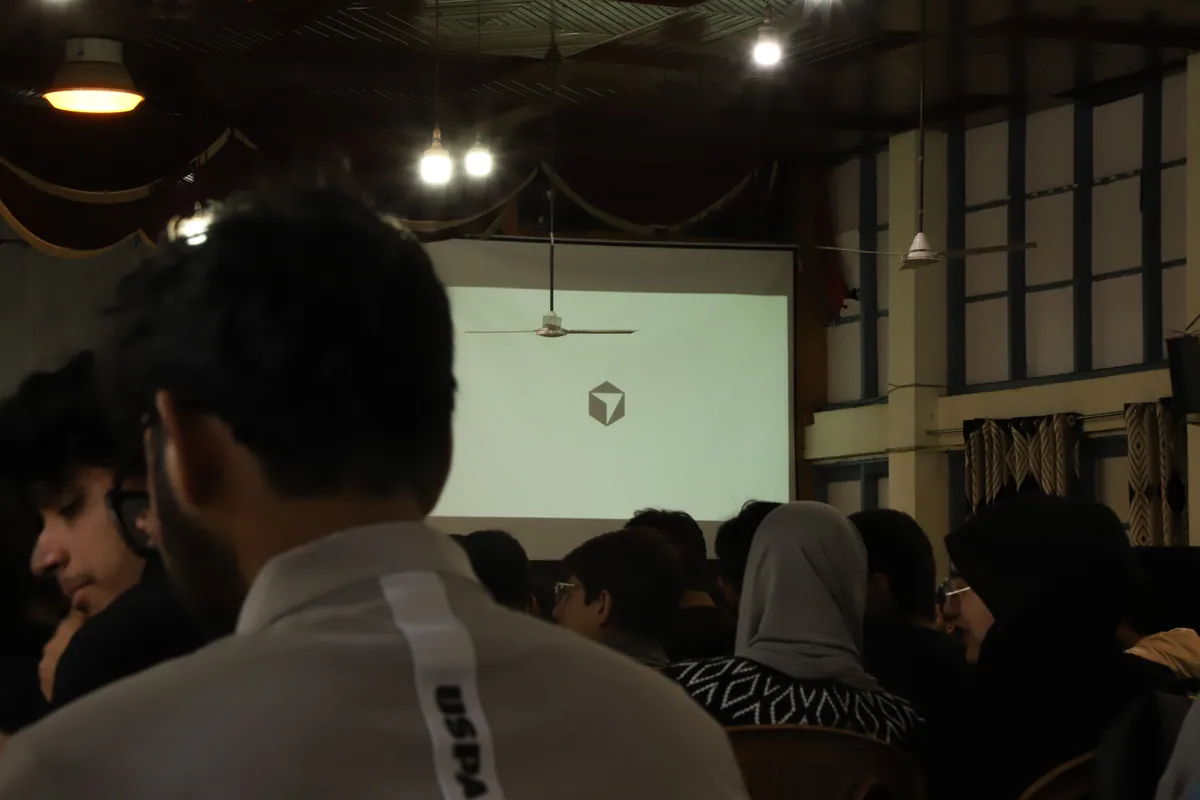
The final fifteen teams pitched working prototypes after an overnight build. The event was covered by local newspapers, and participants kept sharing what they had made after the weekend ended.
I plan to run it again next year. Bringing events like this back to Kashmir is now something I want to keep doing, not a one-off experiment.